
Performance Athleisure for Digital Nomads and Frequent Travelers

In the professional landscape of 2026, the traditional “office” has been decentralized. From the co-working hubs of Lisbon to the high-speed rail lounges of Tokyo, the modern professional is perpetually in motion. This shift has rendered the traditional wardrobe obsolete. The rigid suit and the flimsy cotton t-shirt have both failed the “nomad test.”

Instead, a new category has emerged: Transition Wear. This is high-performance athleisure designed specifically for the digital nomad—garments that possess the technical prowess of alpine gear but the aesthetic refinement of urban menswear and womenswear. For the frequent traveler, these clothes are not just fashion; they are a vital piece of productivity infrastructure.

The Science of Travel Fabrics: Engineering Mobility

The secret to a successful nomadic wardrobe lies in the molecular structure of the fabric. In 2026, we have moved beyond simple synthetics to “intelligent” textiles that manage the traveler’s microclimate.

Merino Wool 2.0: The

READ MORE
Limited Edition Upcycled Capsule Collections for Slow Fashion Lovers

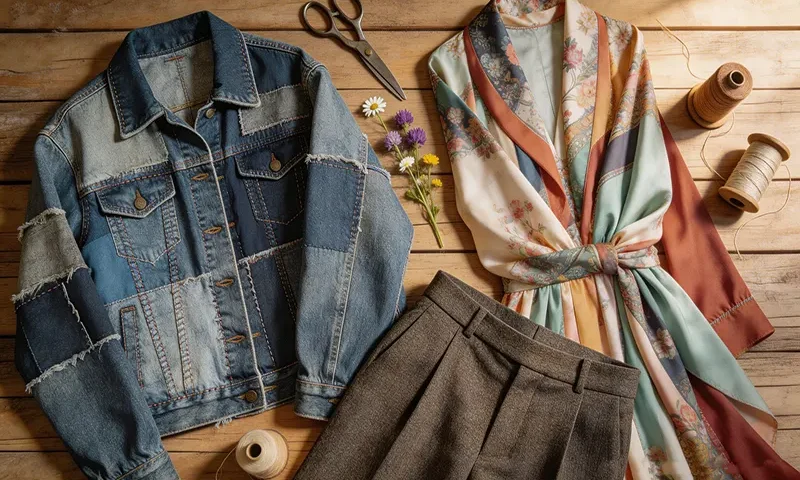
The fashion industry of 2026 has reached a definitive crossroads. The era of “disposable” clothing—defined by ultra-fast cycles and staggering landfill contributions—is facing a reckoning from both legislative mandates and a culturally transformed consumer base. With the implementation of the Circular Economy Act and the mandatory adoption of Digital Product Passports, the industry’s most prestigious title is no longer “Newest,” but “Most Meaningful.”

At the heart of this revolution is the Limited Edition Upcycled Capsule Collection. Once a niche hobby for independent crafters, upcycling has ascended to the pinnacle of luxury. In 2026, slow fashion lovers aren’t just looking for organic cotton; they are seeking “Waste-to-Wealth” stories—garments that represent design as a subversive action against the status quo.

The New Era of Circularity: Necessity as the Mother of Invention

In the 2026 context, “Limited Edition” has shed its artificial marketing veneer. In traditional retail, scarcity was manufactured to … READ MORE

Best AI-Powered Virtual Try-On for Custom Fit Women’s Denim

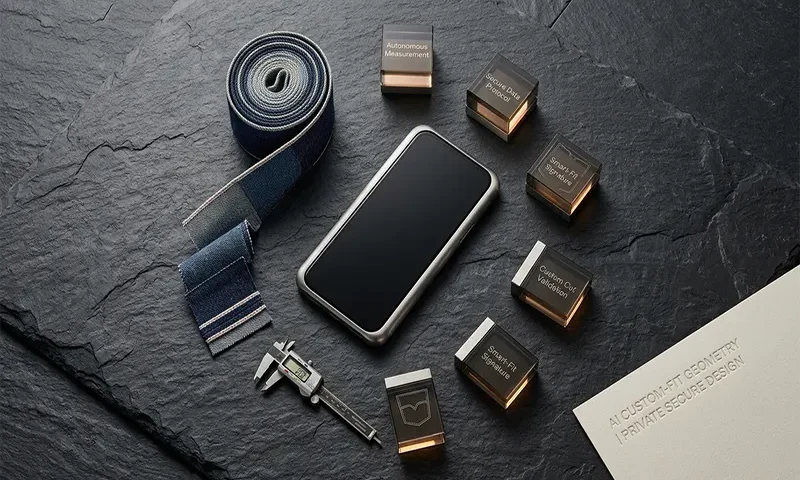
Finding the perfect pair of jeans has long been considered the “Holy Grail” of shopping—an arduous quest filled with fluorescent-lit fitting rooms, inconsistent sizing across brands, and the inevitable disappointment of a waist that gaps or a hem that drags. For decades, the industry standard for women’s denim was based on a handful of “fit models,” leaving the vast majority of the population to compromise on comfort or style.

In 2026, the narrative has fundamentally changed. The integration of Artificial Intelligence (AI), Computer Vision, and 3D Body Scanning has moved from a futuristic novelty to a retail necessity. We are no longer guessing our size; we are engineering our fit. This shift is not just about convenience; it is a technological revolution that is making the “perfect fit” accessible to every body type while drastically reducing the environmental toll of the fashion industry.

The Tech Behind the Fit: Beyond the

READ MORE
Gender-Neutral Minimalist Streetwear for Gen Alpha and Gen Z

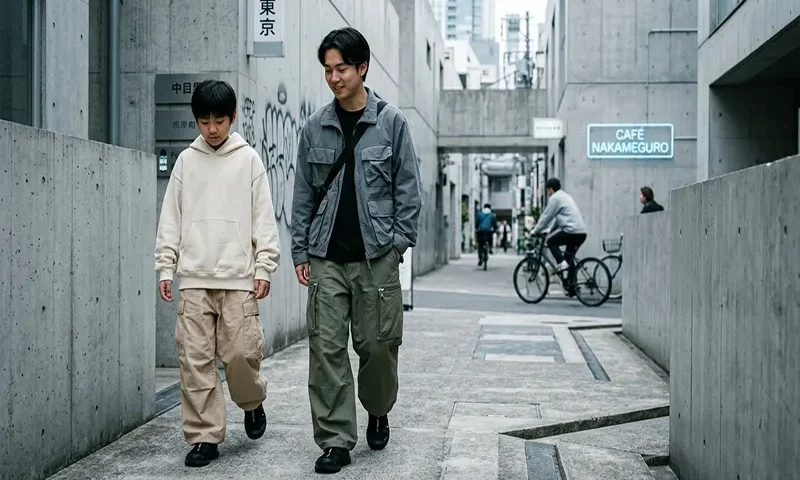
The fashion landscape of 2026 is witnessing a seismic shift that transcends mere aesthetics. We are currently observing the “Great Merging,” a cultural moment where the rigid boundaries of the traditional fashion industry are dissolving. For Gen Z (born 1997–2012) and the ascending Gen Alpha (born 2010–2024), clothing has ceased to be a tool for gender performance. Instead, it has become a canvas for Gender-Neutral Minimalism—a style rooted in inclusivity, utility, and a “less but better” philosophy.

In this new era, the “Menswear” and “Womenswear” labels are increasingly viewed as relics of a binary past. Today’s youth are looking for a universal uniform that prioritizes the human form over gendered expectations.

The Death of the Binary: From Unisex to Fluidity

The term “unisex” used to mean making clothes that looked like men’s clothes and hoping women would wear them. In 2026, the movement has evolved into true Gender-Neutrality. … READ MORE

Ethical Work-from-Home Essentials with Traceable Supply Chains

The global shift toward remote work was initially hailed as a victory for the environment—fewer commutes meant a drastic reduction in carbon emissions. However, as the “home office” transitioned from a temporary kitchen-table setup to a permanent fixture of modern life, a new environmental and ethical challenge emerged. The sudden surge in demand for desks, ergonomic chairs, and tech peripherals led to a gold rush for mass-produced furniture, often sourced through opaque, complex supply chains that hide significant ecological and human costs.

In 2026, the standard for “green” has shifted. It is no longer enough for a product to be made of “recycled materials.” Consumers are now demanding Radical Transparency. This means looking for a Traceable Supply Chain: a system where every step of a product’s journey—from the extraction of raw materials to the final assembly—is documented, verified, and open to public scrutiny.

The Pillars of an Ethical

READ MORE