
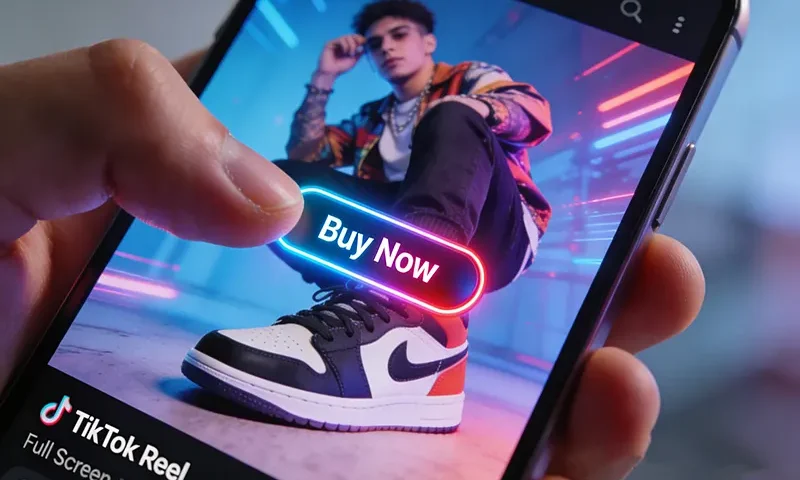
Implementing Zero-Click Social Commerce on TikTok and Instagram
In the digital economy of 2026, the traditional “Marketing Funnel” has collapsed into a single point of impact. For years, the industry standard for social commerce involved a series of high-friction steps: seeing an ad, clicking a “Link in Bio,” waiting for a landing page to load, and manually entering credit card details. This journey was a graveyard for conversion rates.
Today, we have entered the era of Zero-Click Social Commerce. In this new paradigm, the transition from “browsing” to “buying” is invisible. By leveraging in-app native checkouts and biometric authentication, brands are now able to turn a moment of inspiration into a completed transaction without the user ever leaving their social feed.
The Death of the Landing Page: Why Friction is the Enemy
The 2026 consumer, particularly the Gen Z and Gen Alpha cohorts, views the “external link” as an archaic interruption. Every click that takes a user … READ MORE

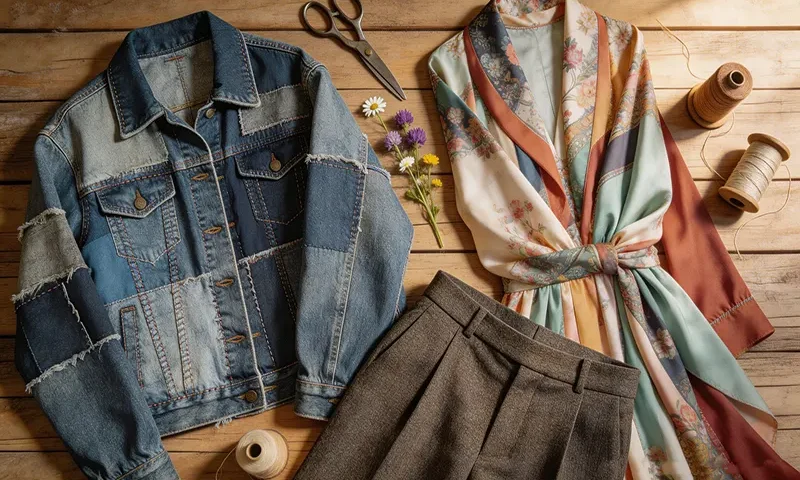
Limited Edition Upcycled Capsule Collections for Slow Fashion Lovers
The fashion industry of 2026 has reached a definitive crossroads. The era of “disposable” clothing—defined by ultra-fast cycles and staggering landfill contributions—is facing a reckoning from both legislative mandates and a culturally transformed consumer base. With the implementation of the Circular Economy Act and the mandatory adoption of Digital Product Passports, the industry’s most prestigious title is no longer “Newest,” but “Most Meaningful.”
At the heart of this revolution is the Limited Edition Upcycled Capsule Collection. Once a niche hobby for independent crafters, upcycling has ascended to the pinnacle of luxury. In 2026, slow fashion lovers aren’t just looking for organic cotton; they are seeking “Waste-to-Wealth” stories—garments that represent design as a subversive action against the status quo.
The New Era of Circularity: Necessity as the Mother of Invention
In the 2026 context, “Limited Edition” has shed its artificial marketing veneer. In traditional retail, scarcity was manufactured to … READ MORE

Modern Tuscan Living Room Sets with Stone and Wood Finishes
In the architectural landscape of 2026, we are witnessing a profound “Renaissance of the Rural.” The cluttered, dark, and heavy “Old World” Tuscan style that dominated the early 2000s—defined by faux-finished walls and ornate ironwork—has been stripped back to its soul. What remains is Modern Tuscan Organic: a sophisticated, minimalist aesthetic that honors the raw materiality of central Italy while embracing the airy, sculptural lines of contemporary design.
The Modern Tuscan living room is not a set of furniture; it is a curated sensory retreat. It prioritizes the “haptic” quality of a home—the way a hand feels as it brushes against a cool stone ledge or the warmth of sunlight on a reclaimed timber beam. By focusing on the primal combination of stone and wood, this design movement creates spaces that feel both ancient and current.
The Foundation: The Dialogue Between Stone and Wood
The brilliance of Modern Tuscan … READ MORE
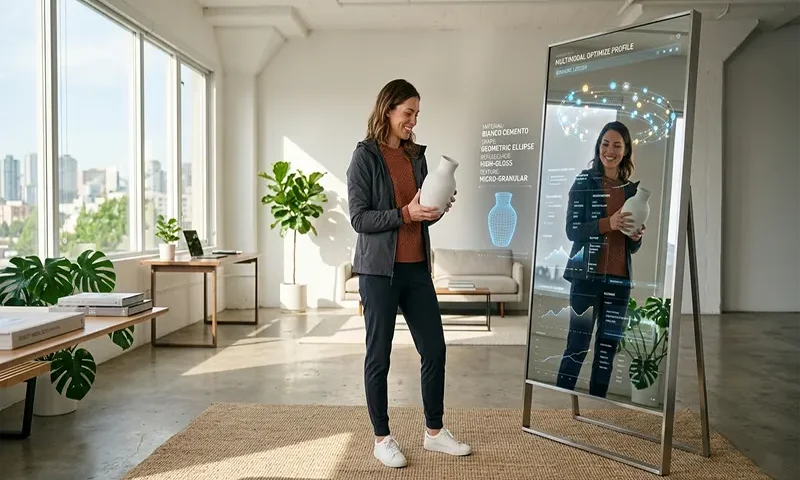
Optimizing Product Data for Multimodal and Visual Search Discovery
As we move through 2026, the traditional e-commerce search bar is becoming a secondary tool. With the full integration of multimodal capabilities into major platforms like Google Gemini and Bing, the way consumers find products has undergone a structural transformation. Today’s shopper doesn’t just type “blue wool sweater”; they might snap a photo of a texture they like, use a voice command to specify “merino, size medium,” and add a text filter for “sustainable sourcing”—all in a single, fluid query.
For brands, this means visibility is no longer just about ranking for keywords. It is about Search Experience Optimization (SXO) and Generative Engine Optimization (GEO). To thrive in this environment, product data must be optimized not just to be read by crawlers, but to be “seen” and “heard” by AI agents that synthesize answers from multiple data layers.
The Multimodal Shift: From Keywords to Intent
In the 2026 search … READ MORE
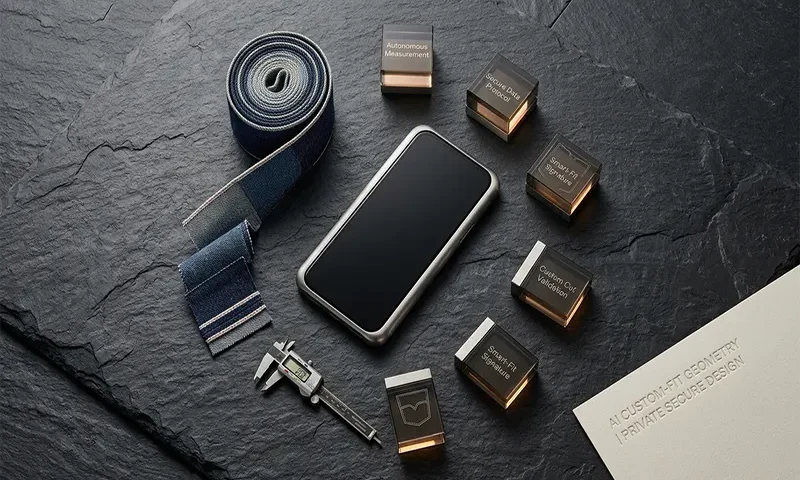
Best AI-Powered Virtual Try-On for Custom Fit Women’s Denim
Finding the perfect pair of jeans has long been considered the “Holy Grail” of shopping—an arduous quest filled with fluorescent-lit fitting rooms, inconsistent sizing across brands, and the inevitable disappointment of a waist that gaps or a hem that drags. For decades, the industry standard for women’s denim was based on a handful of “fit models,” leaving the vast majority of the population to compromise on comfort or style.
In 2026, the narrative has fundamentally changed. The integration of Artificial Intelligence (AI), Computer Vision, and 3D Body Scanning has moved from a futuristic novelty to a retail necessity. We are no longer guessing our size; we are engineering our fit. This shift is not just about convenience; it is a technological revolution that is making the “perfect fit” accessible to every body type while drastically reducing the environmental toll of the fashion industry.
The Tech Behind the Fit: Beyond the
… READ MORE